Czy CDG jest głównym lotniskiem w Paryżu?
Paryskie lotnisko im. Charles’a de Gaulle’a (CDG) – często nazywane „Roissy” od pobliskiej miejscowości Roissy-en-France – jest szeroko uznawane za główne lotnisko obsługujące Paryż i cały region Île-de-France. Otwarte w 1974 roku, zostało nazwane na cześć Charles’a de Gaulle’a i stopniowo przejęło rolę starszych obiektów paryskiego lotniska północnego. Obecnie CDG znajduje się około 25 km na północ od centrum Paryża.
CDG jest najbardziej ruchliwym lotniskiem we Francji i jednym z wiodących węzłów lotniczych w Europie. Po znacznym spadku liczby pasażerów w latach pandemii COVID-19, ruch pasażerski silnie się odbudował. W 2024 roku lotnisko obsłużyło około 70,3 miliona pasażerów, plasując się wśród najruchliwszych lotnisk w Europie i utrzymując główną rolę w obsłudze zarówno pasażerów, jak i ruchu towarowego.
Inne lotniska obsługujące Paryż
Chociaż CDG jest główną bramą do miasta, Paryż obsługiwany jest również przez dodatkowe lotniska:
- Paryskie lotnisko Orly (ORY) – około 17 km na południe od Paryża; tradycyjnie skupia się na trasach krajowych, europejskich i wielu trasach turystycznych.
- Paryskie lotnisko Beauvais (BVA) – około 100 km od Paryża; powszechnie używane przez tanie linie lotnicze i niektóre lotnictwo prywatne.
Istnieją również dwa lotniska, które czasami zalicza się do szerszej grupy „lotnisk paryskich”:
- Paryż-Le Bourget (LBG) – głównie lotnictwo biznesowe i targi lotnicze (nie jest to standardowy komercyjny węzeł pasażerski).
- Paryż-Vatry (XCR) – około 165 km od Paryża; ograniczone usługi pasażerskie i działalność towarowa w zależności od sezonu i przewoźników.
Lotnisko Paryż-Charles de Gaulle w skrócie
- Nazwa lotniska: Paryskie lotnisko im. Charles’a de Gaulle’a
- Kod IATA: CDG
- Kod ICAO: LFPG
- Lokalizacja: Roissy-en-France, Francja
- Strefa czasowa: Czas środkowoeuropejski (CET/CEST)
Krótka historia lotniska CDG
Budowa rozpoczęła się pod koniec lat 60. XX wieku, a lotnisko zostało oficjalnie otwarte 8 marca 1974 roku. Oryginalny Terminal 1 – uderzający okrągły budynek o wielopoziomowej konstrukcji – stał się architektonicznym punktem orientacyjnym. W ciągu kolejnych lat CDG szybko się rozwijało, aby sprostać rosnącemu zapotrzebowaniu na podróże międzynarodowe, dodając nowe obiekty i usprawniając połączenia lądowe.
Terminal 2 został oddany do użytku na początku lat 80. i stopniowo przekształcił się w duży kompleks terminalowy z wieloma halami i molo. Ważnym kamieniem milowym było otwarcie w 1994 roku stacji kolei dużych prędkości, integrując CDG z francuską siecią TGV i czyniąc lotnisko kluczowym węzłem intermodalnym. Dodatkowe modernizacje pasa startowego i terminali na przestrzeni lat wspierały rolę CDG jako głównej europejskiej bramy lotniczej.
Patrząc w przyszłość, CDG kontynuuje rozwój swojej strategii dotyczącej połączeń kolejowych i zrównoważonego rozwoju. Projekty takie jak CDG Express (planowane połączenie lotniska z dworcem Gare de l’Est w Paryżu) i przyszłe rozszerzenia metra mają na celu przyspieszenie i uczynienie przesiadek bardziej przewidywalnymi, podczas gdy programy środowiskowe mają na celu zmniejszenie ogólnego śladu węglowego lotniska.
Układ lotniska i terminale
CDG jest dużym lotniskiem z wieloma terminalami, posiadającym trzy główne obszary:
- Terminal 1 – oryginalny okrągły terminal, używany głównie przez szereg międzynarodowych linii lotniczych w zależności od bieżących przydziałów.
- Terminal 2 — główny kompleks, pierwotnie rozbudowany wokół operacji Air France, obecnie podzielony na wiele podterminali (często opisywany jako „kilka terminali w jednym”).
- Terminal 3 — prostsza część terminalu, powszechnie kojarzona z operacjami tanich linii lotniczych i czarterowymi (użytkowanie przez linie lotnicze może się zmieniać).
Ponieważ CDG jest rozległe, sprawdzenie swojego terminalu odlotów z wyprzedzeniem jest kluczowe — zwłaszcza jeśli masz przesiadkę i ograniczony czas między lotami.
Loty, przesiadki i wskazówki dotyczące tranzytu
Lotnisko Paryż-Charles de Gaulle obsługuje gęstą sieć połączeń krajowych, europejskich i długodystansowych. Jest to kluczowy węzeł dla Air France i odgrywa ważną rolę w globalnej logistyce towarów.
Przesiadki na CDG
- Jeśli masz już kartę pokładową: kieruj się znakami do swojej następnej bramki i zarezerwuj dodatkowy czas na kontrole bezpieczeństwa i paszportowe (w zależności od trasy).
- Jeśli musisz ponownie się odprawić: być może będziesz musiał opuścić strefę bezwzrokową, ponownie przejść odprawę i ponownie wejść do strefy bezpieczeństwa.
- Bagaż rejestrowany: jeśli Twój bagaż jest nadany do miejsca docelowego, zazwyczaj nie odbierasz go na CDG. Jeśli nie, będziesz musiał go odebrać i ponownie nadać do kolejnego lotu.
Wskazówka: Zawsze sprawdzaj zarówno swój terminal przylotów, jak i terminal odlotów. Transfery między terminalami mogą zająć czas, nawet przy opcjach transportu wewnętrznego.
Zasady dotyczące bagażu: o czym należy pamiętać
- Bagaż podręczny: limity rozmiaru, ograniczenia dotyczące płynów i przedmioty zabronione różnią się w zależności od linii lotniczych i przepisów docelowych.
- Bagaż rejestrowany: limity wagi i zasady dotyczące nadwagi zależą od rodzaju biletu i linii lotniczych; niektóre przedmioty są ograniczone nawet w bagażu rejestrowanym.
Usługi i udogodnienia na CDG
Jako główny międzynarodowy węzeł, CDG oferuje szeroki zakres usług zaprojektowanych z myślą o krótkich i długich pobytach, w tym:
- Sklepy wolnocłowe, sklepy z modą i produktami lokalnymi
- Restauracje, kawiarnie, bary i punkty fast food
- Salony (linia lotnicza i niezależni dostawcy)
- Bankomaty, punkty wymiany walut i usługi bankowe
- Apteki i usługi medyczne
- Biura rzeczy znalezionych i punkty informacyjne
- Wi-Fi i strefy do pracy w wielu obszarach terminali
- Udogodnienia dla rodzin (miejsca do przewijania niemowląt, toalety rodzinne itp.)
Dostępność
CDG zapewnia usługi pomocy dla podróżnych o ograniczonej mobilności i pasażerów, którzy mogą potrzebować dodatkowego wsparcia. Dostępne w całych terminalach są dostępne toalety, windy i specjalne punkty pomocy.
Zwierzęta
Podróżowanie ze zwierzętami zazwyczaj wymaga ważnych dokumentów i przestrzegania zasad linii lotniczych. Na wybranych obszarach terminalu mogą być dostępne strefy dla zwierząt, a zwierzęta muszą być przez cały czas pod kontrolą.
Dojazd do Paryża z CDG
Transport naziemny z CDG do Paryża jest rozbudowany. W zależności od preferencji i budżetu możesz wybierać spośród:
- Taksówki i prywatne transfery dla wygody od drzwi do drzwi
- Pociąg RER B dla szybkiego połączenia z centralnymi stacjami w Paryżu
- Autobusy miejskie (linie RATP 350/351) i autobusy nocne Noctilien na podróż z mniejszym budżetem
- Wynajem samochodów na niezależne wycieczki (najlepszy, jeśli planujesz podróżować poza Paryż)
Poruszanie się między terminalami
CDG oferuje opcje transportu wewnętrznego, aby pomóc pasażerom w przemieszczaniu się pomiędzy terminalami, w tym zautomatyzowane pociągi i autobusy wahadłowe, w zależności od obsługiwanych obszarów terminalowych. Czas przejazdu jest różny, dlatego warto planować z marginesem – szczególnie w godzinach szczytu.
Parkowanie na CDG
Każdy obszar terminala posiada parkingi krótkoterminowe przeznaczone do szybkiego dostępu do odlotów i przylotów. Na terenie lotniska dostępne są również parkingi długoterminowe, a także wydzielone strefy dla osób odbierających i odwożących pasażerów.
Miasto Paryż
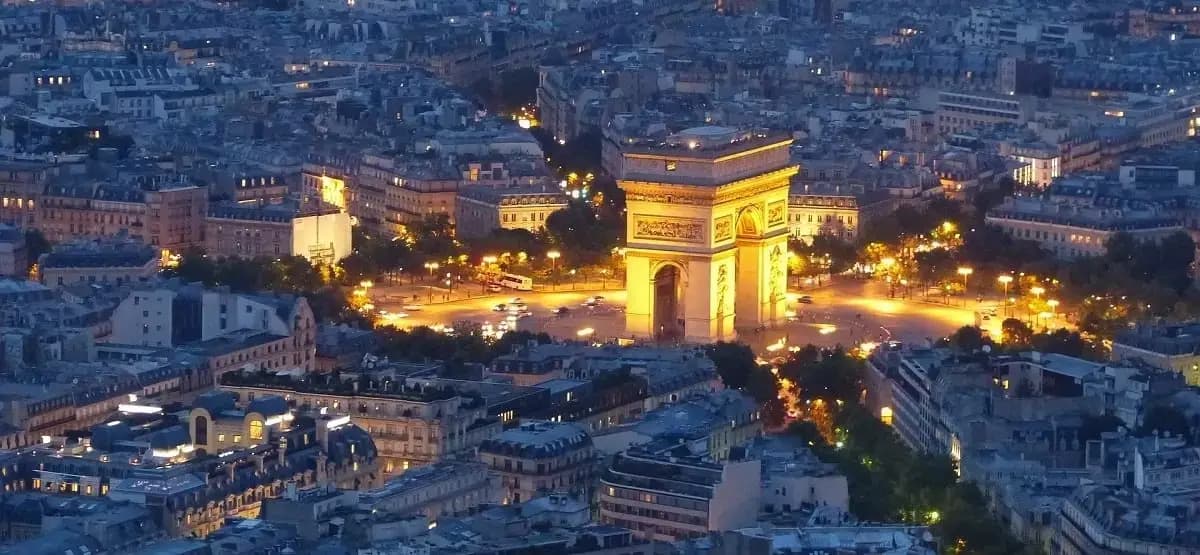
Paryż jest jednym z najbardziej ikonicznych miejsc na świecie – połączeniem historii, sztuki, architektury, gastronomii i życia nocnego. Od Wieży Eiffla i Luwru po Montmartre, brzegi Sekwany i klasyczne kawiarnie, miasto oferuje nieskończone sposoby na odkrywanie, smakowanie i doświadczanie „Miasta Światła”.